
Explore Our
Discover the latest insights and tips on physiotherapy, wellness, and health.
Discover the latest insights and tips on physiotherapy, wellness, and health.
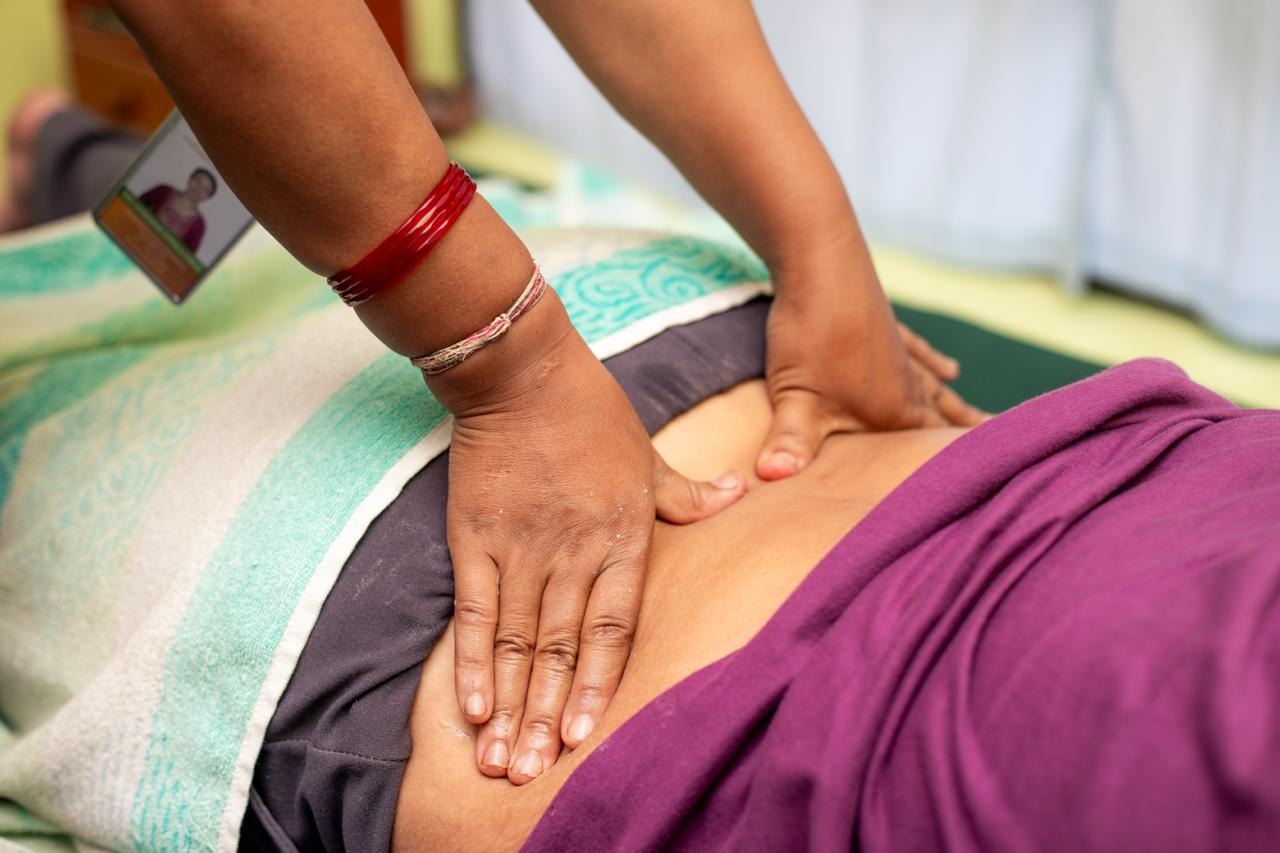
Back pain is something almost everyone deals with at some point. Maybe it starts after sitting too long, lifting something heavy, or sleeping in a strange position. Even wearing a bag that doesn't fit properly can hurt your back.
The truth is, lower back pain doesn't always come from a serious health problem. Most of the time, it's caused by daily habits—things we do without thinking. But if we ignore the pain, it can slowly get worse.
Some people wait too long and only go to the doctor when the pain becomes serious. By then, it may need strong medicine or even surgery. But that can often be avoided the smart way is to take care of your back early. If you feel pain, even a little, don’t wait.
A good physiotherapist for back pain can help you understand what’s wrong and show you simple back pain exercises that work.
These exercises help you stretch, build strength, and fix your posture. They’re not hard, and you don’t need a gym. You just need to do them the right way.
So, if your back hurts, listen to your body. Start with small steps. Treat the pain early before it becomes a big problem. Your future self will be glad you did.
These exercises help you to stretch, build strength and power, and fix your posture. They are not hard, and you do not need a gym. You just need to do them correctly.
Therefore, if there is pain in your back, listen to your body. Start with small steps. Treat pain before it becomes a major problem. Your future will be happy that you did it.
Back pain does not always feel the same for all. For some people, it is just a dull muscle pain. For others, it may feel sharp, such as it makes it difficult to move from burning or stabbing pain.
In many cases, the pain doesn’t stay in just one spot. It can spread down your leg, especially if the nerves are involved. Simple actions like bending, lifting, twisting your body, standing for too long, or even walking may make the pain worse.
These are all common symptoms of back pain, and they can tell you a lot about what’s going on inside your body. Understanding these signs early can help you get the right back pain treatment before it turns into something more serious.
Whether it’s lower back pain or pain that moves down your legs, don’t wait. The sooner you pay attention to the symptoms, the easier it is to treat them, often without needing any strong medicines or surgery.
Back pain doesn’t always come with a clear reason. Sometimes it just shows up, and it’s hard to say why. But with the help of a doctor, tests like an X-ray or an MRI can often reveal the real cause. Let’s look at some common conditions linked to lower back pain:
One of the most common causes. Lifting heavy objects, sudden awkward movements, or overworking your back can strain the muscles and ligaments. If your body is not in good shape, even small activities can lead to muscle spasms and pain.
Discs sit between the bones in your spine and work like cushions. If a disc bulges or breaks, it can press on nearby nerves and cause pain. But in some cases, people may have a bulging disc without even feeling pain. It’s often found by accident during a test for another issue.
Osteoarthritis is a common condition that affects the joints, including in the lower back. It can cause pain, stiffness, and swelling. In some cases, arthritis in the spine can lead to spinal stenosis, a condition where the space around the spinal cord becomes narrow and painful.
This condition makes bones weak and brittle. When this happens in the spine, it can cause small but painful fractures in the vertebrae. These fractures are a common reason for chronic back pain, especially in older adults.
Most back pain goes away with rest, home care, and a little time. But if the pain doesn’t improve or keeps getting worse, it’s a sign that you may need help from a physiotherapist for back pain.
Here are a few times when it’s important to stop waiting and visit a professional:
In rare cases, back pain can be a sign of a more serious medical problem. If your pain comes with a fever, changes in how you use the toilet (bladder or bowel issues), or if it started after a fall or accident, don’t wait — see a doctor right away.
Early treatment is the best way to prevent bigger problems. A trained physiotherapist can guide you with safe and effective exercises for lower back pain, improve your posture, and help you feel better naturally.
Back pain doesn’t only affect adults — even teenagers and children can experience it. While anyone can suffer from lower or upper back pain, certain factors increase your chances and may make you more likely to need back pain treatment later on.
Let’s look at some of the most common risk factors for back pain:
Many people do not feel it, but smoking can cause back pain. This can trigger a fit of cough, which can cause herniated discs. Smoking also reduces blood flow to the spine and increases the possibility of the development of osteoporosis, which can cause chronic pain.
Those who struggle with depression or anxiety are more likely to experience back pain. Stress and emotional health can affect the body in many physical ways, including muscle stress.
Raising heavy objects without proper form can easily stress your back. Always bend your knees, not your waist, when raising things.
Some diseases, such as arthritis or cancer, can cause strong, ongoing back pain that may require long-term care or therapy.
When your body does not move enough, your muscles become weak and hard. Inactive muscles, especially around your spine, are more likely to suffer from lower back pain.
Carrying too much weight puts pressure on your spine and can lead to discomfort, especially on one side, like left side back pain.
As we grow older, the risk of back pain increases naturally due to changes in bones, joints, and muscles.
Once you understand the causes of lower back pain or upper back pain, the next smart step is to take care of your body and prevent it from happening again. A few simple changes in your daily life can protect your back and keep it strong.
Here are some easy but effective ways to prevent back pain:
Taking small steps every day can make a big difference. Prevention is always better than treatment when it comes to your back.
When dealing with lower back pain on the right side or pain in the middle back, physiotherapy is often the best option to find relief and heal properly.
There are two main types of physiotherapy treatments:
Both passive and active physiotherapy work together to reduce pain and improve your back’s function.
Back pain is common but often preventable. Knowing the symptoms and causes helps you take action early. Simple exercises, good habits, and visiting a physiotherapist can ease pain and prevent future problems. Don’t ignore your back—treat it well to stay healthy and active.
Most back pain comes from daily habits like sitting too long, poor posture, lifting things the wrong way, or not exercising enough. Sometimes it can also come from problems like a slipped disc, arthritis, or weak bones.
If your back pain lasts more than 2–3 weeks, gets worse, spreads to your legs, or causes numbness or weakness, it’s best to see a physiotherapist. They can help you recover with simple exercises and posture advice.
Yes, in many cases! Rest, stretching, hot/cold packs, and simple back pain exercises can help. But if the pain doesn’t go away or gets worse, see a doctor or physiotherapist.
Gentle stretches, walking, and exercises to strengthen your core and lower back are very helpful. A physiotherapist can show you the right moves so you don’t hurt yourself more.
Written by
Nirvana Physiotherapy and Wellness Center
Nirvana Physiotherapy and Wellness Center
Continue Reading
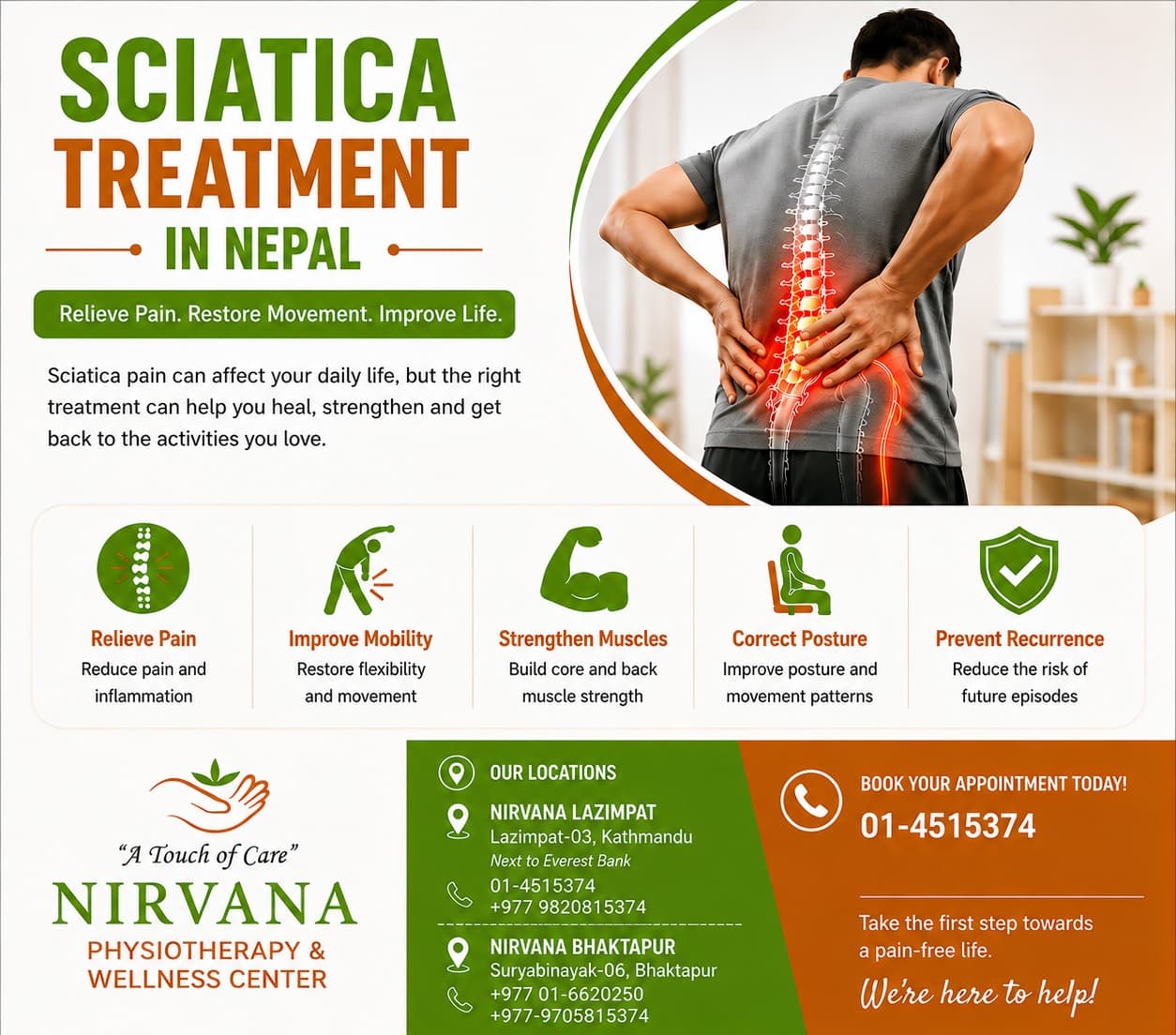
The symptoms of Sciatica can make sitting, walking, working or sleeping comfortably difficult and can severely interfere with your activities of daily living. Fortunately, the majority of people can recover without surgery, with proper diagnosis and treatment.
Read article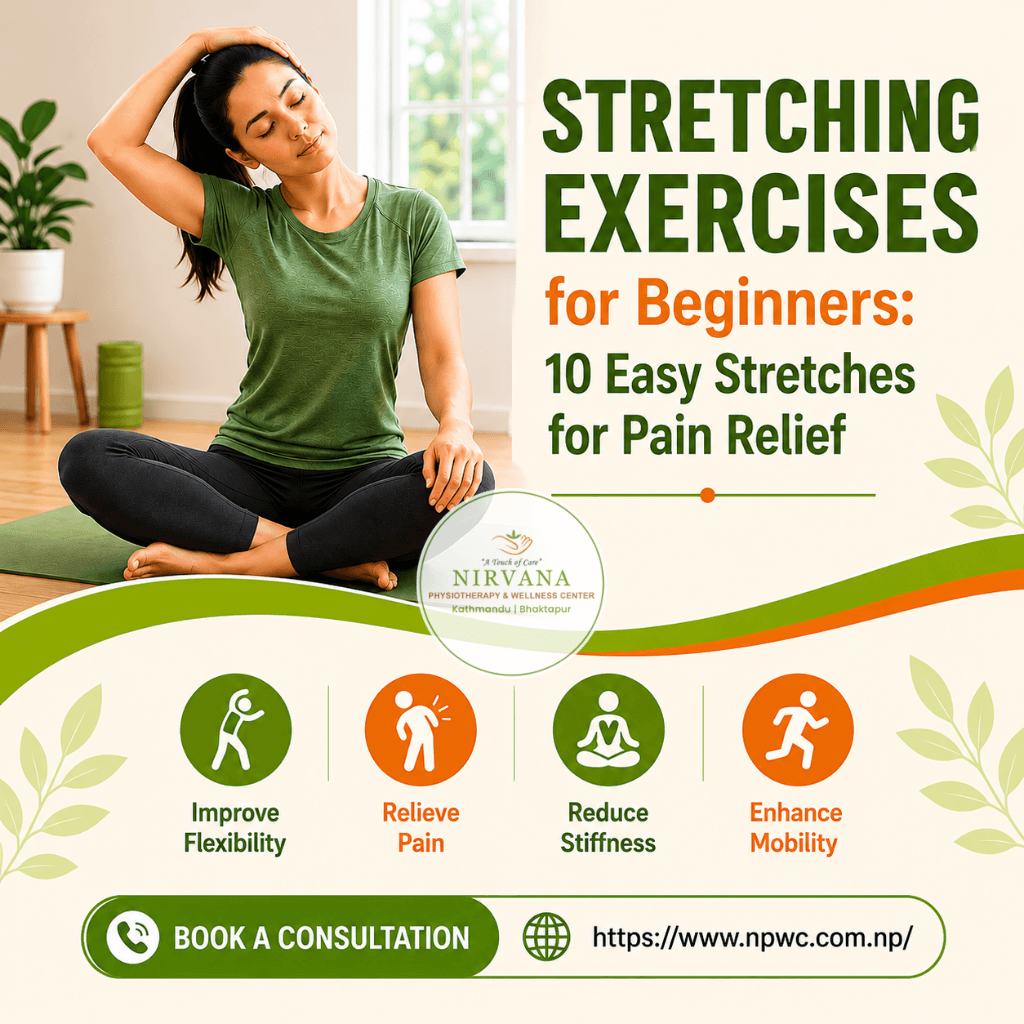
Stretching can help you achieve your fitness goals, whether you are just getting started, recovering from an injury, or simply want to enhance your mobility. Stretching can help alleviate muscle tension, increase blood flow, promote better posture, and decrease the likelihood of injuries.
Read article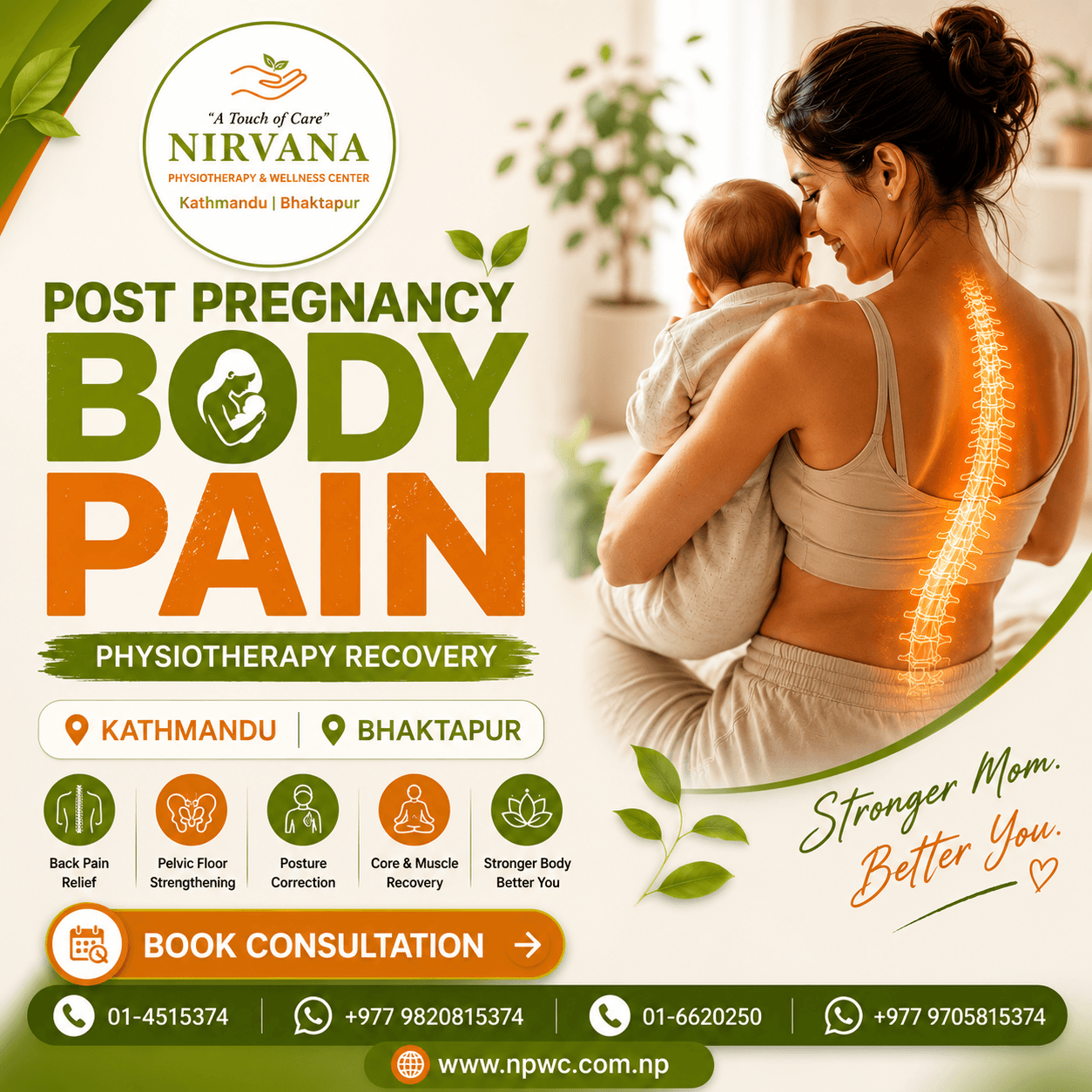
Recovering after childbirth can be physically challenging for many mothers. Postpartum body pain, including back pain, pelvic discomfort, neck stiffness, and muscle weakness, is common due to hormonal changes, spinal stress, and physical strain after delivery. This blog explains the common causes of post pregnancy body pain and how physiotherapy can support safe and effective recovery.
Read article